Back pain is one of the most common complaints worldwide — and one key structure is increasingly coming into focus: the lumbar fascia. Understanding it changes how we approach back health entirely.
Back pain affects millions of people globally and frequently limits everyday life. While the causes are varied, one structure is gaining increasing attention in the scientific community: the lumbar fascia. This connective tissue in the lower back plays a decisive role in spinal health.
What Is the Lumbar Fascia?
The lumbar fascia — also known as the thoracolumbar fascia — is a diamond-shaped, multi-layered structure in the lower back. It connects various muscle groups of the trunk and acts as an important sensor for tension arising from the upper limbs, the spine and the abdominal region.
Lumbar Fascia and Back Pain
Current research suggests that changes in the lumbar fascia can be directly linked to back pain. One ultrasound study found that the thoracolumbar fascia in people with chronic back pain is 20% stiffer than in pain-free individuals. This increased stiffness may be caused by adhered tissue layers, which restrict mobility and generate pain signals.
The lumbar fascia contains numerous free nerve endings and pain receptors. When the tissue is altered or injured, these receptors can be activated — contributing to the experience of pain. This is also why fascial work can be so effective in addressing chronic back complaints.
Why Fascial Training Makes Such Good Sense for Back Health
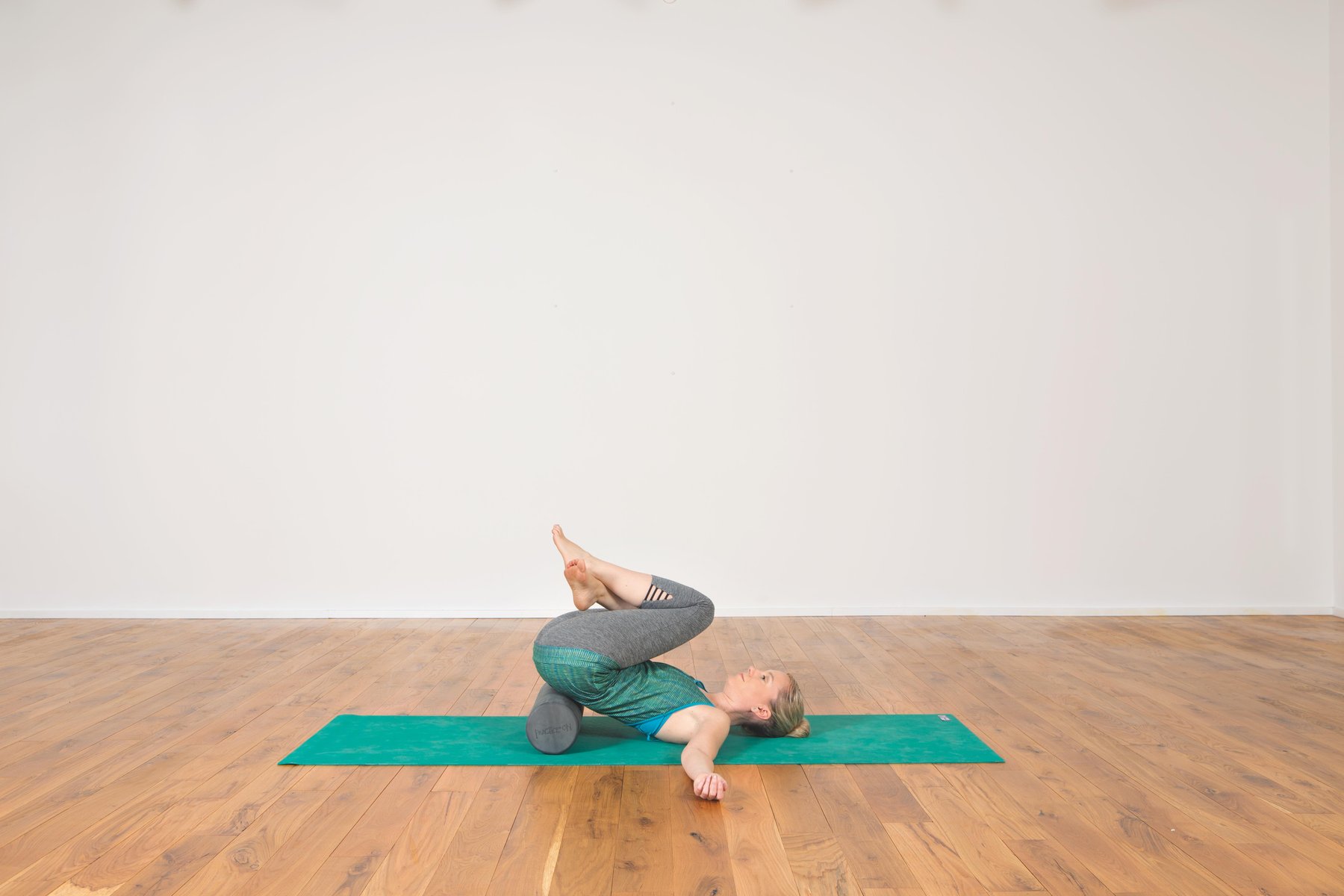
Given the significance of fascia in back health, fascial training is gaining considerable attention. This approach aims to improve the elasticity and gliding capacity of the fascia, release adhesions and thereby prevent or relieve pain. Typical methods — including those used in Fascial Yoga — include stretching, bouncing movements and the use of fascial rollers.
It is important to note that fascial training should be individually adapted. If you have existing complaints or pre-existing conditions, it is advisable to consult a physician or physiotherapist before beginning a training programme.
Take Care of Your Lumbar Fascia
The lumbar fascia plays a central role in the health of our back. Changes or restrictions in this area can lead to pain and reduced mobility. Through targeted training and a holistic view of the body, we can improve fascial function and prevent back pain before it takes hold.
Conscious body awareness, regular movement and — where appropriate — specific fascial training can all contribute to the health of the lumbar fascia and to overall wellbeing.
Want to Learn More About Fascia?
The Online Teacher Training in Integral Fascial Yoga gives you a deep, science-informed understanding of the fascial system — and how to work with it intelligently in your yoga practice and teaching.
Explore the Online TTC